Maras Moray & Salt Mines Tour from Cusco: Which One to Book
Two of the Sacred Valley's most photographed sights sit a short drive apart: the Maras salt terraces, a hillside of thousands of white salt pans worked since Inca times, and Moray, a set of deep concentric terraces the Incas used like an open-air laboratory. This is the pairing behind every "Maras Moray tour" from Cusco. Below is how the salt mines and Moray fit together, what the tickets actually cost, and how the tours on this page compare — part of the wider set of Sacred Valley day trips we track.
About the Maras & Moray Experience
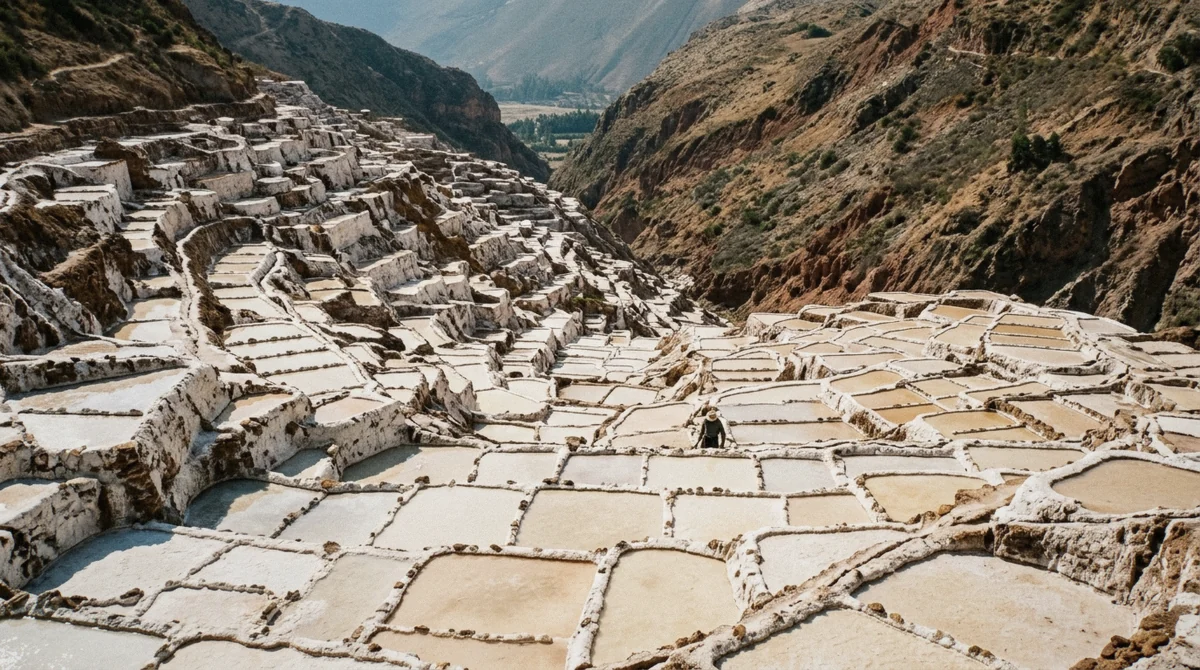
Thousands of salt pans worked by local families since Inca times
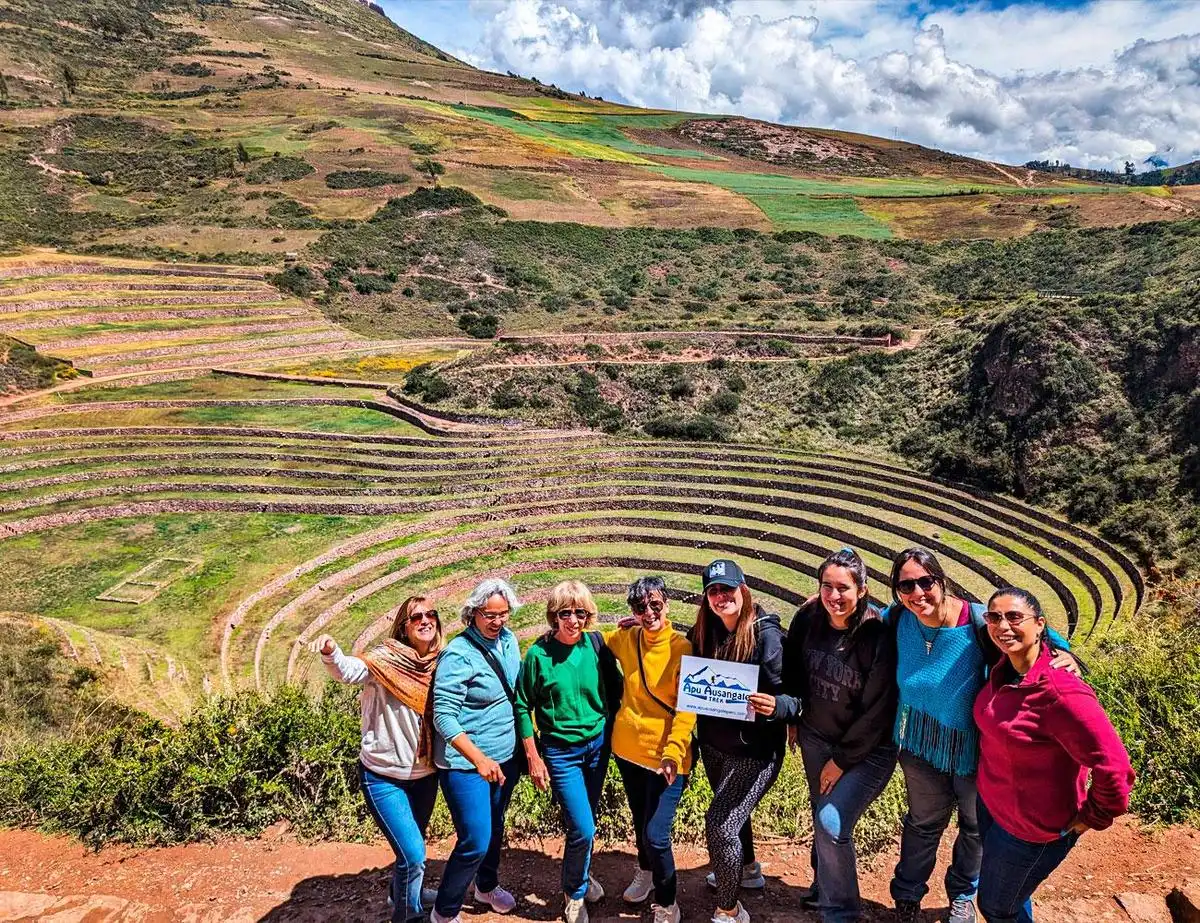
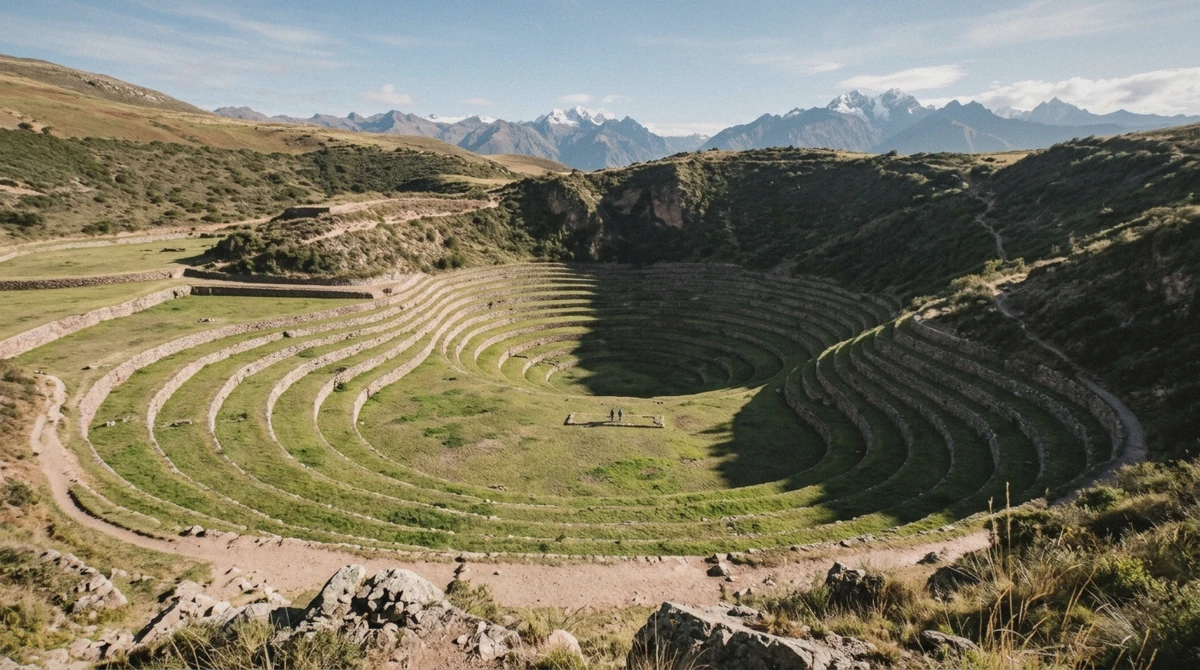
Concentric Inca terraces sunk into a natural bowl
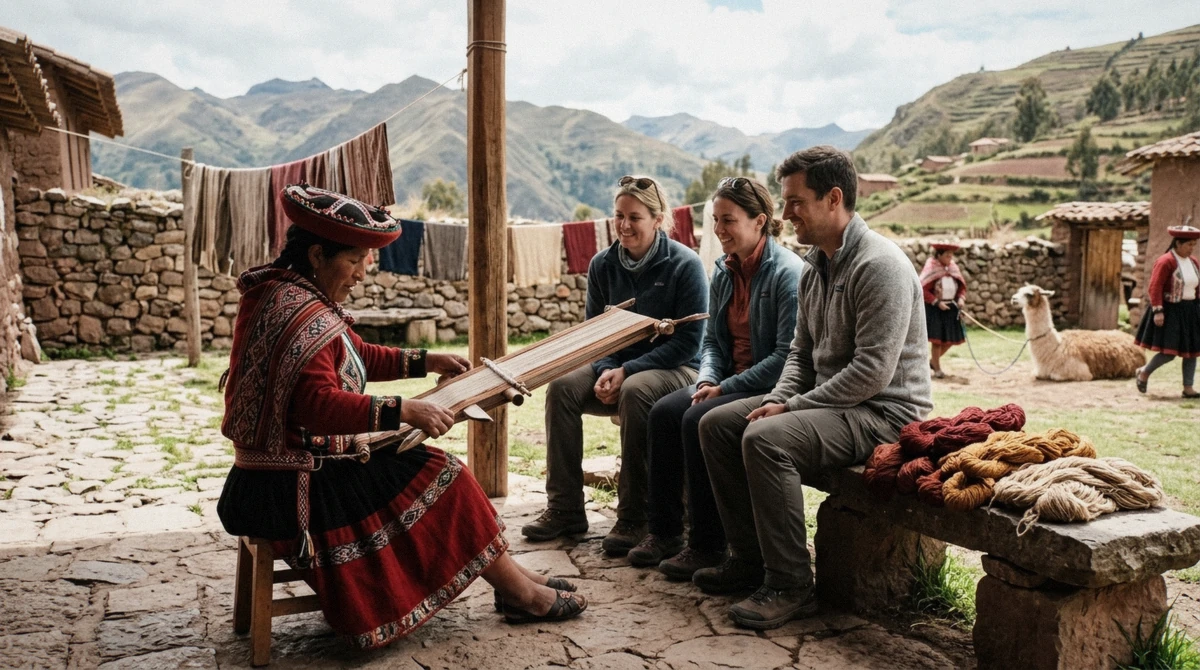
The small-group tour adds a Chinchero weaving demonstration
Moray is on the Boleto Turístico; Maras charges a separate fee
The featured tour caps the group at eight travelers
Cancel up to 24 hours before for a full refund
Check Live Availability & Prices
Real-time dates and prices for the small-group Maras, Moray and Chinchero tour.
You'll confirm the exact date and time on the secure booking page.
Which Maras & Moray Tour Should You Book?
Almost every Maras and Moray tour visits the same two sights; the real differences are the group size, whether Pisac is bolted on, and the price. Here is an honest read on the options we compare.
- Best for a calm, cultural day — the small-group tour (from $139, 4.9★): capped at eight, it adds the Chinchero weaving village and skips Pisac, so the pace is unhurried. It costs the most because the group is small.
- Best value with the most reviews — the Sacred Valley & Salt Mines tour (from $25, 4.8★, 3,200+ reviews): the busiest and cheapest, it folds Moray, Maras, Pisac and Ollantaytambo into one long day. Bigger groups, but hard to beat on price.
- Best for a shorter, western-circuit day — the Chinchero, Moray & Salt Mines tour (from $26, 4.8★): visits Chinchero, Moray and the salt mines, then drops you at Ollantaytambo for the Machu Picchu train — useful if you are continuing on.
Maras & Moray Tours Compared
The tours on this page that put Maras and Moray front and centre. All include hotel pickup and a buffet lunch.
from $139 Sacred Valley in a Day: Maras Salt Terraces, Moray & Ollantaytambo
A small-group full-day loop through Chinchero, the Maras salt terraces, the circular Moray ruins and Ollantaytambo, with a local weaving demonstration and buffet lunch. Cusco hotel pickup included…
- Small group capped at 8 travelers
- Maras salt terraces and the circular Moray ruins
- Traditional Andean weaving demonstration in Chinchero
- Ollantaytambo fortress with drop-off option for the Machu Picchu train
 from $25
 Sacred Valley & Maras Salt Mines — Full Day with Buffet Lunch
A well-reviewed full-day run through the Sacred Valley taking in Moray, the Maras salt mines, Pisac and Ollantaytambo, with a buffet lunch in Urubamba. Guided in English and…
- Moray terraces and the Maras salt mines in one day
- Pisac and Ollantaytambo archaeological sites
- Buffet lunch in Urubamba included
- Free cancellation up to 24 hours before
 from $26
 Chinchero, Moray & Salt Mines with Ollantaytambo Drop-Off
A slightly shorter Sacred Valley day visiting Chinchero, the Moray circular terraces and the salt mines, with a buffet lunch in Urubamba and a drop-off in Ollantaytambo for…
- Chinchero weaving village, Moray and the salt mines
- Ollantaytambo drop-off for the Machu Picchu train
- Buffet lunch in Urubamba included
- Hotel pickup included
Maras & Moray Tours at a Glance
What You'll See at Maras and Moray
The two sites sit about a 15-minute drive apart on the high plateau above the Urubamba valley, and most tours pair them because neither takes long on its own.
- Salinas de Maras — around 3,000 shallow salt pans stepping down a ravine, fed by a naturally salty spring the same families have worked for generations
- Moray — three sets of concentric circular terraces sunk into the ground, with a temperature gradient of several degrees between the top and bottom rings
- Sweeping views across the plateau toward the snow-capped Urubamba range
- On the small-group tour, a Chinchero weaving demonstration showing natural dyeing and backstrap looms
- Roadside stalls selling pink Maras salt and salt-based skincare, straight from the pans
How a Maras & Moray Day Flows
-
07:30
Cusco hotel pickup
Your guide collects you from a central Cusco hotel and drives up onto the plateau toward Chinchero.
-
09:00
Chinchero
On the small-group tour, a weaving demonstration in the highest village of the day, built on Inca foundations.
-
10:30
Moray terraces
Walk the rim of the concentric terraces and down toward the lower rings, learning how the Incas tested crops at different simulated altitudes.
-
12:00
Maras salt terraces
A short drive to the salineras, where you look out over thousands of salt pans and can buy pink Maras salt at the source.
-
13:30
Buffet lunch in Urubamba
Lunch in the valley, lower and warmer than Cusco, before the afternoon sites.
-
16:00
Ollantaytambo
The terraced fortress and Inca town, with a drop-off option here for travelers continuing to Machu Picchu.
-
18:30
Return to Cusco
Back in the city by early evening, unless you left the tour at Ollantaytambo.
Tickets, Altitude & What to Know Before You Go
Tour prices almost never include the site entrance fees, so budget for tickets separately. Moray is covered by the Cusco tourist ticket (Boleto Turístico), but the Maras salt terraces are community-run and charge their own fee.
- Boleto Turístico Circuit 3 (Sacred Valley): S/70, valid two days, covers Moray plus Pisac, Ollantaytambo and Chinchero
- Maras salt terraces: a separate community entrance fee, around S/18, paid in cash at the gate
- Altitude: Moray sits near 3,500 m and Chinchero near 3,762 m — the highest points of the day, so take the morning slowly
- Bring cash in soles, sun protection, a light layer for the wind on the plateau, and closed shoes for the salt-pan paths
- The salt-pan walkways can be slippery; you view the pans from set paths rather than walking among them
Where Are Maras and Moray?
The Maras salt terraces and Moray sit on the plateau above the Urubamba valley, roughly 50 km and about 1.5 hours from Cusco. Most tours pair them with Chinchero, Ollantaytambo or Pisac.
Maras & Moray Tour — FAQs
How long is a Maras and Moray tour?
A dedicated Maras and Moray half-day tour runs about four to five hours, but most tours from Cusco fold the two sites into a full Sacred Valley day of 8 to 12 hours that also visits Chinchero, Ollantaytambo or Pisac. The tours on this page are full-day trips with hotel pickup and lunch included.
Do you need a guide for Maras and Moray?
You can visit independently, but a guide adds the history that the sites themselves do not explain — why Moray's rings hold different microclimates, and how the Maras families divide and work the salt pans. A tour also handles the driving between the plateau sites and Cusco, which is awkward without a car.
How much does it cost to enter Maras and Moray?
Moray is covered by the Boleto Turístico: the Circuit 3 (Sacred Valley) ticket is S/70 and also covers Pisac, Ollantaytambo and Chinchero. The Maras salt terraces are community-run and charge a separate fee of around S/18, paid in cash at the entrance. Guided tours generally do not include either in the price.
Can you still walk among the Maras salt pans?
No. To protect the pans and the salt, visitors now view the salineras from designated paths and viewpoints rather than walking between the individual pans. You can still get close, buy salt at the source, and photograph the full sweep of the terraces.
Is Moray worth visiting?
Yes. Moray is one of the most distinctive Inca sites in the valley: three sets of concentric circular terraces sunk into natural depressions, with a measurable temperature difference between the top and bottom rings. It is compact, so it pairs naturally with Maras rather than filling a day on its own.
What Travelers Say
Maras and Moray were the highlight of our whole trip. The salt pans look unreal in person, and our guide explained how each family works their own section. Small group meant we never felt rushed.
Great value for a long day. We did Moray, the salt mines and Pisac, with a solid lunch in Urubamba. Bring cash for the Maras entrance, they only take soles at the gate.
We took the version that drops you at Ollantaytambo for the train. Perfect way to see Chinchero, Moray and the salt mines and then head straight to Machu Picchu without going back to Cusco.